
What is a Guided Gratitude Journal?
A gratitude journal, potentially unused amongst your belongings, offers a path to experience life twice – in the present and through reflection.
The ideal journal is one you’ll consistently use and enjoy, fostering a practice that benefits mental and physical wellbeing through focused appreciation.
Definition and Core Principles
A guided gratitude journal is more than just blank pages; it’s a structured approach to cultivating thankfulness. Unlike freeform journaling, it utilizes prompts – questions or statements – to direct your focus towards positive aspects of your life.
The core principle revolves around intentionally recognizing and appreciating the good, shifting your mindset away from negativity. This practice, inspired by essayist Anaïs Nin’s belief in reliving life through writing, encourages mindful reflection.
It’s about savoring experiences, acknowledging kindness, and finding joy in the everyday, ultimately enhancing overall wellbeing. Consistent use is key to unlocking its benefits.
The Difference Between Regular and Guided Journals
While a regular journal offers open-ended expression, a guided gratitude journal provides direction. Traditional journaling allows for free-flowing thoughts, potentially dwelling on challenges or anxieties. A gratitude journal, however, actively steers you towards positivity through specific prompts.
This structured approach is particularly helpful for those new to journaling or struggling to identify things to appreciate. Prompts act as catalysts, sparking reflection on often-overlooked blessings.
Essentially, a guided journal isn’t about avoiding difficult emotions, but balancing them with intentional gratitude, fostering a more optimistic outlook.

Benefits of Using a Guided Gratitude Journal
Practicing gratitude daily can significantly improve both your mental and physical health, offering a powerful counterbalance to everyday stressors and anxieties.
Improved Mental Wellbeing
A guided gratitude journal actively cultivates a more positive mindset, shifting focus away from negativity and towards appreciation for life’s blessings. This intentional practice encourages a deeper awareness of the good things, no matter how small, fostering feelings of joy and contentment.
Regular journaling provides a space for emotional processing, allowing individuals to acknowledge and appreciate positive experiences. By consistently reflecting on gratitude, the brain begins to rewire itself, strengthening neural pathways associated with happiness and resilience. This, in turn, can lead to a sustained improvement in overall mental wellbeing and a greater sense of optimism.
Reduced Stress and Anxiety
In today’s fast-paced world, stress and anxiety are prevalent, but a guided gratitude journal offers a powerful antidote. By intentionally focusing on positive aspects of life, journaling helps to counterbalance the overwhelming effects of daily stressors.
The act of writing about things you’re grateful for can physiologically lower cortisol levels – the hormone associated with stress. This practice encourages a shift in perspective, diminishing the perceived magnitude of problems and promoting a sense of calm. Consistent gratitude journaling builds resilience, equipping individuals with a healthier coping mechanism for navigating life’s challenges.
Enhanced Self-Awareness
A guided gratitude journal isn’t merely about listing positives; it’s a journey of self-discovery. Prompts encourage introspection, prompting you to examine the sources of joy and contentment in your life. This process reveals patterns in what truly resonates with you, fostering a deeper understanding of your values and priorities.
By regularly reflecting on experiences and relationships you appreciate, you gain insight into your emotional landscape. This heightened self-awareness empowers you to make choices aligned with your authentic self, leading to a more fulfilling and purposeful existence.
Boosted Positive Emotions
Consistent gratitude practice, facilitated by a guided journal, actively cultivates positive emotions. Focusing on the good things in your life, even amidst challenges, shifts your perspective and strengthens neural pathways associated with happiness and optimism.
The act of intentionally acknowledging blessings releases dopamine and serotonin, neurochemicals linked to pleasure and wellbeing. This isn’t simply about feeling happier; it’s about retraining your brain to notice and savor positive experiences, creating a virtuous cycle of joy and contentment.
Strengthened Relationships
A guided gratitude journal extends benefits beyond personal wellbeing, profoundly impacting relationships. Regularly reflecting on the positive qualities and actions of others fosters appreciation and strengthens emotional bonds. Expressing gratitude, even internally through journaling, increases feelings of connection and intimacy.
Acknowledging the contributions of loved ones cultivates empathy and understanding, reducing conflict and promoting compassion. This practice encourages a more positive and supportive dynamic, leading to deeper, more fulfilling relationships built on mutual respect and genuine appreciation.

Choosing the Right Guided Gratitude Journal
Selecting a journal hinges on personal preference; consider format, prompt relevance, size, and durability to ensure consistent use and a truly enjoyable experience.
Journal Format (Physical vs. Digital)
The choice between a physical and digital guided gratitude journal is deeply personal. Physical journals offer a tactile experience – the feel of paper, the act of handwriting – which many find grounding and conducive to reflection. They eliminate distractions from devices and can become cherished keepsakes.
Conversely, digital journals provide convenience and portability. Accessible on smartphones or tablets, they allow journaling anytime, anywhere. Features like searchability and cloud storage are also benefits. Some apps offer additional features like mood tracking or guided prompts. Ultimately, the best format is the one that seamlessly integrates into your lifestyle and encourages consistent practice.
Prompt Variety and Relevance
A key element of an effective guided gratitude journal is the diversity and relevance of its prompts. Journals offering a wide range of prompts – from daily reflections to specific gratitude focuses – prevent monotony and encourage deeper exploration of thankfulness.
Prompts should resonate with your personal experiences and values. Consider journals that cater to specific life stages or interests. A journal that consistently challenges you to think differently about gratitude will yield more meaningful results, fostering a sustained and enriching practice.

Journal Size and Portability
The physical dimensions of a guided gratitude journal significantly impact its usability and integration into your daily routine. A smaller, more portable journal encourages consistent use, allowing you to easily carry it and jot down moments of gratitude throughout the day.
However, consider your writing style; if you prefer detailed entries, a larger format might be preferable. Ultimately, the best size balances convenience with sufficient space for thoughtful reflection, ensuring the journal feels inviting and accessible, not cumbersome or restrictive.
Paper Quality and Durability
The tactile experience of writing contributes significantly to the enjoyment of journaling, making paper quality a crucial consideration. Opt for thicker paper stock to minimize bleed-through from pens, especially if you enjoy using fountain pens or markers.
Durability is also key; a well-bound journal with a sturdy cover will withstand daily use and travel. Consider the binding type – sewn bindings generally offer greater longevity than glued bindings. Investing in a quality journal ensures your reflections are preserved for years to come.

Types of Prompts Found in Guided Gratitude Journals
Guided journals utilize diverse prompts – daily reflections, specific gratitudes for people or experiences, and explorations of challenges – to deepen self-awareness and appreciation.
Daily Reflection Prompts
Daily reflection prompts form the cornerstone of many guided gratitude journals, encouraging consistent engagement with thankfulness. These prompts often center around identifying positive aspects of the day, no matter how small.
Examples include questions like “What was one highlight of today?” or “What is something you learned today that you are grateful for?” They aim to shift focus from potential negativity to acknowledging positive experiences.
Regular use of these prompts cultivates a habit of noticing and appreciating everyday blessings, fostering a more optimistic outlook and enhancing overall wellbeing.
Specific Gratitude Prompts (People, Experiences, Things)
Guided gratitude journals frequently include prompts directing focus towards specific areas of life – people, experiences, and possessions. These prompts move beyond general thankfulness, encouraging detailed appreciation.
For instance, a prompt might ask, “Who is someone you are grateful for and why?” or “Describe a recent experience that brought you joy.” Prompts about things encourage recognizing the value in everyday objects.
This targeted approach deepens the practice of gratitude, fostering stronger connections and a greater sense of contentment with life’s various blessings.
Prompts Focusing on Challenges and Lessons Learned
Many guided gratitude journals cleverly incorporate prompts that shift the focus towards difficulties and the wisdom gained from them. These aren’t about being thankful for hardship, but finding gratitude in the aftermath.
A prompt might ask, “What challenge are you grateful for overcoming, and what did it teach you?” or “How has a difficult experience shaped you into a stronger person?”
This approach cultivates resilience and a growth mindset, recognizing that even painful experiences can contribute to personal development and a deeper appreciation for life.
Prompts Encouraging Self-Compassion
Guided gratitude journals increasingly include prompts designed to nurture self-compassion, a vital component of overall wellbeing. These prompts move beyond external gratitude, turning the focus inward with gentle encouragement.
Examples include, “What is one thing you appreciate about yourself, even on a difficult day?” or “How can you offer yourself the same kindness you would offer a friend?”
These exercises help counteract self-criticism and foster a more accepting and loving relationship with oneself, recognizing inherent worthiness and resilience.
Future-Oriented Gratitude Prompts
Guided gratitude journals often extend beyond present and past appreciation, incorporating prompts focused on anticipating future joys. This shifts perspective towards optimism and cultivates excitement for what’s to come.
Prompts might ask, “What are you looking forward to in the next week?” or “What future opportunity are you grateful for, even if it hasn’t happened yet?”
These exercises encourage proactive gratitude, strengthening positive emotions and building resilience by focusing on potential blessings. They help cultivate a mindset of hope and anticipation, enriching daily life.

How to Effectively Use a Guided Gratitude Journal
To maximize benefits, establish a routine, dedicate a space, and be specific in your entries. Focus on why you’re grateful, avoiding simple lists.
Establishing a Consistent Routine
Creating a regular time for gratitude journaling is paramount to reaping its rewards. Consider integrating it into an existing daily habit, like enjoying your morning coffee or before bedtime.
Consistency, even in short bursts, is more valuable than infrequent, lengthy sessions. Aim for a specific time each day, even if it’s just for five or ten minutes. This transforms gratitude into a non-negotiable part of your self-care routine.
Treat it as an appointment with yourself, prioritizing this dedicated moment for reflection and appreciation. Over time, this practice will become ingrained, fostering a more grateful mindset.
Creating a Dedicated Space
Designating a specific area for your gratitude journaling practice enhances focus and signals to your mind that it’s time for reflection. This doesn’t require a grand setup; a cozy corner, a favorite chair, or even a tidy desk space will suffice.
Ensure the space is comfortable, inviting, and free from distractions. Having your journal, pen, and any accompanying items readily available encourages consistent use.
This dedicated space becomes a sanctuary for positive thinking, a place where you can disconnect from the demands of daily life and connect with your inner sense of gratitude.
Being Specific and Detailed in Entries
Avoid simply listing items you’re grateful for; delve into the “why” behind your appreciation. Instead of writing “I’m grateful for my friend,” elaborate on how they positively impact your life – their supportive nature, a shared laugh, or a thoughtful gesture.
Detailed entries evoke stronger emotions and create a more profound sense of gratitude. Describe the experience vividly, engaging your senses and capturing the essence of what makes it special.
Specificity transforms a general feeling into a cherished memory, deepening your connection to positive experiences and fostering lasting wellbeing.
Focusing on the “Why” Behind Gratitude
Truly experiencing gratitude requires moving beyond simply acknowledging what you’re thankful for, and exploring why it resonates with you. Don’t just state “I’m grateful for my health”; reflect on how good health enables you to pursue passions, connect with loved ones, or experience life fully.
This deeper exploration amplifies the positive emotions associated with gratitude, transforming it from a fleeting thought into a powerful, sustained feeling.
Understanding the ‘why’ fosters appreciation for the underlying value and meaning behind the things we often take for granted.
Avoiding Simply Listing Items
Resist the temptation to merely create a list of things you’re grateful for; this approach often feels superficial and lacks emotional depth. A simple list – “family, friends, job” – doesn’t cultivate the same benefits as thoughtful reflection.
Instead, aim for descriptive entries that detail the impact these things have on your life. Expand on each item, exploring the specific qualities you appreciate and the positive feelings they evoke.
Transforming a list into a narrative unlocks the true power of gratitude journaling, fostering a more meaningful and lasting sense of wellbeing.
Advanced Techniques for Gratitude Journaling
Elevate your practice by combining journaling with meditation and affirmations, or incorporating visuals like photos and drawings.
Sharing your gratitude with others amplifies positive emotions and strengthens connections, deepening the overall experience.
Gratitude Meditations Alongside Journaling
Integrating gratitude meditations with your journaling practice can profoundly deepen your experience of appreciation and mindfulness. Before writing, spend a few moments in quiet contemplation, focusing on feelings of thankfulness. Visualize the things you’re grateful for, allowing the positive emotions to fully resonate within you.
This mindful state primes your mind for more heartfelt and detailed journal entries. After meditation, your writing will likely be richer and more authentic, moving beyond simple lists to explore the why behind your gratitude. Consider guided meditations specifically designed to cultivate gratitude, enhancing the synergy between these powerful practices.
Combining Journaling with Affirmations
Synergize the power of gratitude journaling with positive affirmations to amplify your wellbeing and cultivate a more optimistic mindset. After, or even within, your gratitude entries, incorporate affirmations related to the things you’ve acknowledged. For example, if grateful for a supportive friend, affirm “I am worthy of loving and supportive relationships.”
This reinforces positive beliefs and strengthens the emotional impact of your gratitude practice. Affirmations act as declarations, solidifying feelings of thankfulness and attracting more positivity into your life. Regularly combining these techniques can create a powerful cycle of appreciation and self-empowerment.
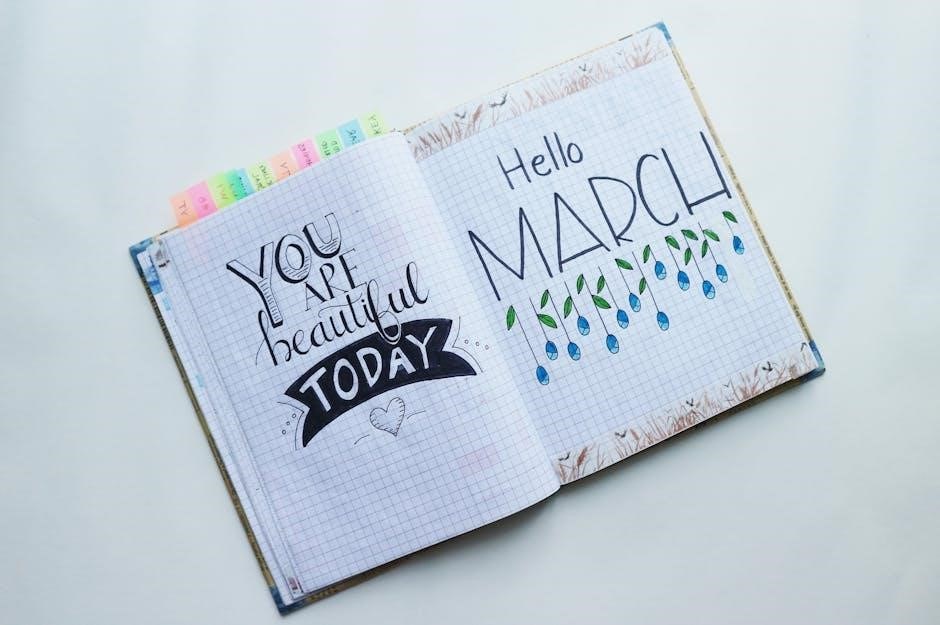
Using Visuals (Photos, Drawings) in Your Journal
Enhance your gratitude journaling experience by incorporating visual elements like photos, sketches, or even small mementos. A picture of a cherished memory, a quick doodle representing a joyful moment, or a pressed flower from a special occasion can powerfully evoke feelings of thankfulness.
Visuals add another layer of depth and personalization to your entries, making them more engaging and emotionally resonant. They serve as tangible reminders of the good things in your life, fostering a deeper connection to your gratitude practice and enriching your retrospective enjoyment;
Sharing Gratitude with Others
Extend the benefits of your gratitude practice by sharing your appreciation with the people around you. Expressing thankfulness to others not only strengthens your relationships but also amplifies the positive emotions for both parties involved.
Consider writing thank-you notes, verbally acknowledging someone’s kindness, or simply letting loved ones know how much they mean to you. This outward expression of gratitude reinforces your own positive mindset and creates a ripple effect of goodwill, fostering a more connected and appreciative community.

Potential Challenges and How to Overcome Them
Common hurdles include lack of time, motivation, or difficulty identifying gratitudes. Prioritize short, consistent entries, focus on small joys, and reframe challenges positively.
Lack of Time
One of the most frequent obstacles to consistent gratitude journaling is simply feeling overwhelmed by a busy schedule. It’s easy to believe you lack the necessary minutes each day to dedicate to this practice.
However, effective gratitude journaling doesn’t demand lengthy entries. Even five minutes can be profoundly impactful. Integrate it into existing routines – perhaps during your morning coffee or before bed.
Treat it as a non-negotiable self-care appointment. Prioritizing small moments of gratitude can actually increase your overall sense of time abundance and reduce feelings of being rushed.
Feeling Unmotivated
It’s perfectly normal to experience periods where gratitude journaling feels like a chore, rather than a joyful practice. Life’s challenges can overshadow positive aspects, making it difficult to summon feelings of thankfulness.
When motivation wanes, start small. Focus on listing just one or two things you appreciate, even if they seem insignificant. A guided journal’s prompts can be particularly helpful in sparking inspiration during these times.
Remember the benefits – improved wellbeing – and gently encourage yourself to reconnect with the practice.
Difficulty Identifying Things to Be Grateful For
If you struggle to pinpoint things you’re thankful for, you’re not alone. Often, we become accustomed to everyday blessings, overlooking their significance. Stress and negativity can further cloud our perception of positivity.
Guided journals excel here, offering prompts that encourage you to look beyond the obvious. Consider appreciating simple comforts – a warm drink, a sunny day, or a kind gesture.
Focus on small joys and remember gratitude isn’t about grand gestures; it’s about recognizing the good in the everyday.

Resources for Finding Guided Gratitude Journals

Explore options at major online retailers like Amazon and Etsy, or discover specialty journal shops for unique finds.
Digital journaling apps also provide convenient, accessible guided gratitude experiences on your devices.
Online Retailers (Amazon, Etsy)
Amazon presents a vast selection of guided gratitude journals, ranging from budget-friendly options to premium, beautifully designed editions. You’ll find journals tailored to specific needs, like those focused on self-care, mindfulness, or even gratitude for parents. Etsy, conversely, offers a more curated and often handmade experience.
Here, you can discover unique journals crafted by independent artists and small businesses, providing a personalized touch. Etsy frequently features journals with distinctive covers, high-quality paper, and thoughtfully designed prompts. Both platforms offer customer reviews, aiding in informed decision-making, ensuring you select a journal aligning with your preferences and journaling style.
Specialty Journal Shops
Specialty journal shops, both brick-and-mortar and online, curate collections focusing on quality and unique designs. These stores often prioritize journals from independent publishers and artisans, offering a more discerning selection than larger retailers. You’ll likely encounter journals with exceptional paper quality, durable bindings, and aesthetically pleasing covers.
Knowledgeable staff can provide personalized recommendations based on your journaling preferences. These shops frequently host workshops and events centered around journaling practices, fostering a community of writers. Exploring these boutiques allows for a tactile experience, enabling you to assess the journal’s feel and suitability before purchasing.
Digital Journaling Apps
Digital journaling apps present a convenient and accessible alternative to traditional physical journals. These apps often include built-in guided prompts specifically designed for gratitude practice, streamlining the journaling process. Features like reminders and password protection enhance consistency and privacy.
Many apps allow for multimedia integration – adding photos, voice notes, or even short videos to your entries. Cloud syncing ensures your journal is backed up and accessible across multiple devices. Some offer community features, allowing you to connect with other gratitude journalers, but prioritize your personal space.