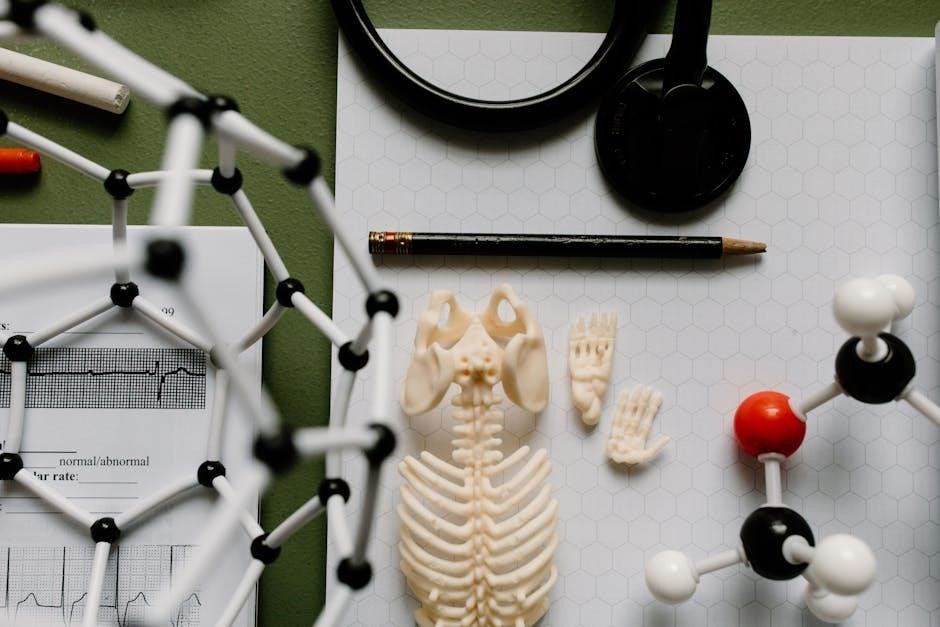
Factoa, alongside comprehensive guides, aids students in mastering anatomical studies; these manuals evolve with technology, offering digital resources and virtual labs for enhanced learning.
Purpose of a Lab Manual
Anatomy & Physiology Lab Manuals serve as crucial companions to classroom learning, providing a structured, hands-on approach to understanding the complexities of the human body. These manuals, like Factoa’s integrated systems, aren’t merely collections of exercises; they are designed to reinforce theoretical knowledge through practical application.
They guide students through dissections, microscopic observations, and identification of anatomical structures, fostering critical thinking and problem-solving skills. Furthermore, lab manuals, mirroring Factoa’s adaptability, ensure compliance with safety protocols and proper specimen handling. They bridge the gap between abstract concepts and tangible reality, ultimately preparing students for successful careers in healthcare and related fields.
Importance in Anatomical Studies
Anatomy & Physiology Lab Manuals are fundamentally important because they transform passive learning into active engagement. Similar to Factoa’s comprehensive systems, they provide a platform for students to directly interact with anatomical material, solidifying their understanding beyond textbook descriptions.
These manuals cultivate essential skills – precise observation, careful dissection, and accurate identification – vital for future medical professionals. They facilitate a deeper comprehension of spatial relationships and functional correlations within the body. Moreover, they instill a respect for the biological sciences and promote responsible laboratory practices, mirroring Factoa’s commitment to reliable and compliant systems.
Evolution of Lab Manuals
Anatomy & Physiology Lab Manuals have dramatically evolved, mirroring technological advancements, much like Factoa’s integrated electronic invoicing systems. Initially, they were primarily text-based guides for dissection, relying heavily on detailed illustrations.
The introduction of microscopy spurred manuals to incorporate histological techniques and image analysis. More recently, digital resources – online anatomy models and virtual dissection tools – have become integral. These advancements, akin to Factoa’s adaptability to various businesses, enhance accessibility and provide interactive learning experiences. The future promises augmented reality and AI-assisted learning, further revolutionizing anatomical education.
Essential Components of a Lab Manual
Like Factoa’s comprehensive modules, lab manuals require anatomical terminology, microscopy techniques, and detailed dissection procedures for effective study and practical application.
Anatomical Terminology
A foundational element within any anatomy & physiology lab manual is a robust section dedicated to anatomical terminology. This isn’t merely a glossary; it’s a systematic exploration of the language of the body. Students must grasp directional terms – superior, inferior, anterior, posterior, medial, and lateral – to accurately describe locations and relationships of structures.
Regional terms, denoting specific body areas (e.g., cephalic, brachial, femoral), are equally crucial. Understanding planes of the body (sagittal, frontal, transverse) is vital for interpreting anatomical images and performing dissections. Factoa, like a good lab manual, emphasizes precise communication. The manual should include exercises requiring students to apply these terms, labeling diagrams and describing anatomical features, ensuring a solid linguistic base for further study.
Microscopy Techniques
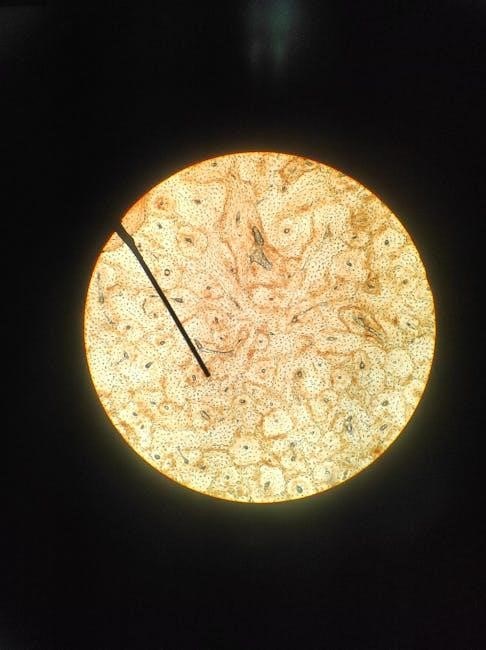
A core skill in anatomy & physiology is mastering microscopy. Lab manuals dedicate significant space to detailing techniques for preparing and observing microscopic specimens. This includes proper slide preparation – sectioning, staining (like hematoxylin and eosin), and mounting. Students learn to operate various microscopes: brightfield, phase contrast, and potentially electron microscopes.
Understanding magnification, resolution, and depth of field is paramount. The manual guides students through focusing, identifying key cellular structures, and recognizing different tissue types. Factoa-integrated manuals would ideally include virtual microscopy exercises. Troubleshooting common issues – like air bubbles or improper staining – is also covered, fostering independent observation and analytical skills essential for histological study.
Dissection Procedures
Anatomy lab manuals provide detailed, step-by-step dissection guides for various animal models – often fetal pigs, cats, or preserved human specimens. These procedures emphasize careful tissue separation, identification of anatomical structures, and proper use of dissection tools. Safety protocols are paramount, outlining responsible handling of specimens and sharp instruments.
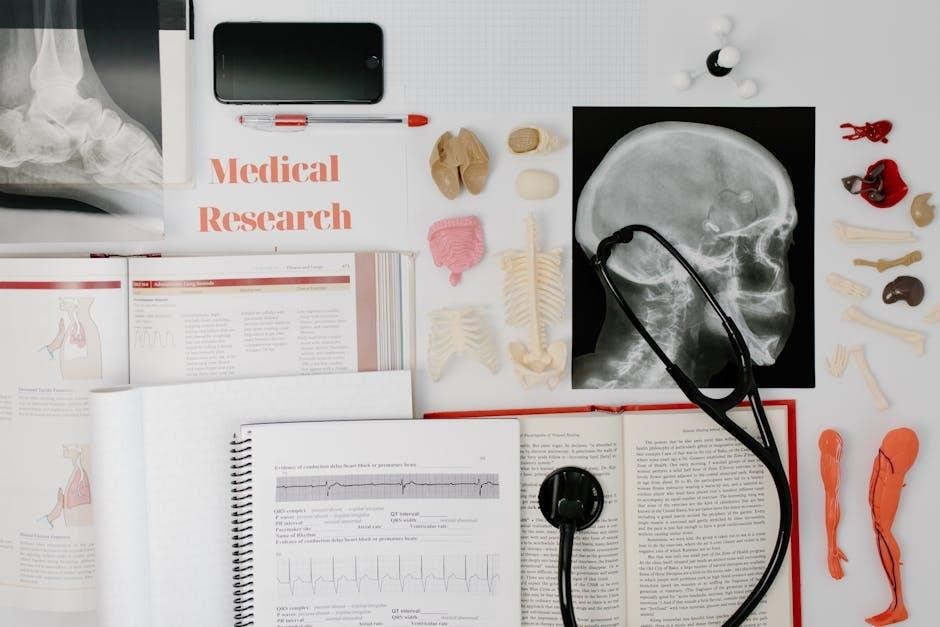
Clear illustrations and diagrams accompany each step, aiding in visualization. Manuals often include pre-lab quizzes to assess preparedness and post-lab questions to reinforce learning. Factoa could enhance this with virtual dissection tools. Students learn to systematically explore body regions, tracing nerves, vessels, and muscles. Ethical considerations regarding specimen use are also frequently addressed, promoting respect for biological material.
Body Systems Covered in Lab Manuals
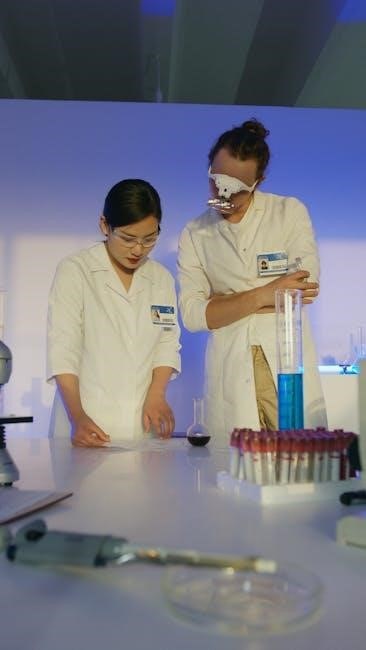
Lab manuals systematically explore skeletal, muscular, and nervous systems, alongside cardiovascular, respiratory, and digestive systems, providing comprehensive anatomical understanding for students.

Skeletal System
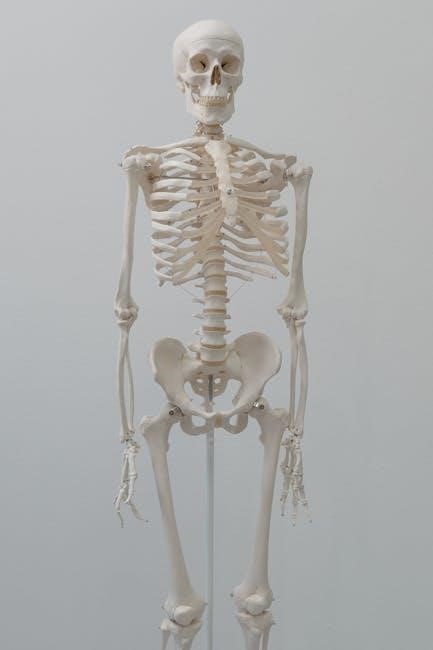
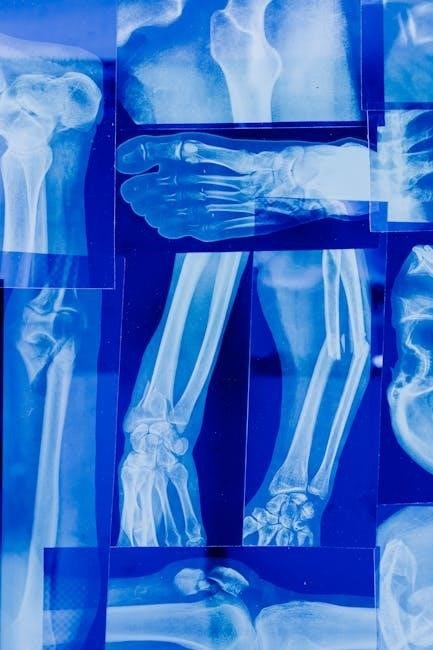
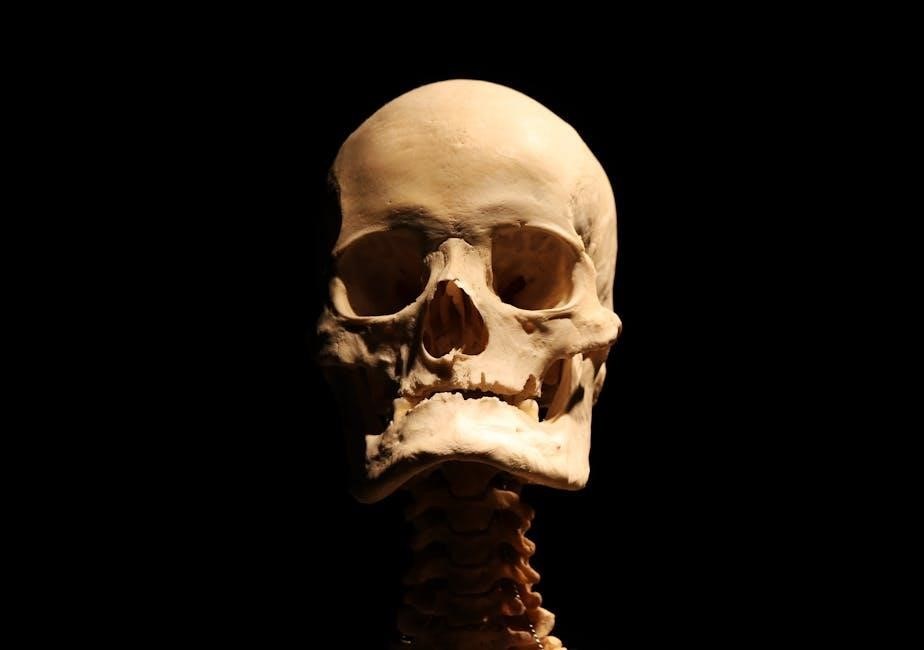
Anatomy & Physiology lab manuals dedicate significant attention to the skeletal system, beginning with foundational bone identification exercises. Students learn to differentiate long, short, flat, irregular, and sesamoid bones, mastering anatomical terminology for specific features like processes, foramina, and fossae.
Practical exercises often involve assembling skeletal models, articulating joints to understand range of motion, and identifying bone markings crucial for muscle attachment. Dissection, when applicable, provides a real-world perspective on bone structure and relationships.
Furthermore, manuals frequently incorporate comparative anatomy, highlighting skeletal variations across species. Understanding bone pathologies and common skeletal injuries is also a key component, preparing students for clinical applications. Factoa’s integration of digital resources can enhance visualization of complex skeletal structures.
Muscular System
Anatomy & Physiology lab manuals thoroughly cover the muscular system, emphasizing muscle identification – both superficial and deep – based on location and function. Students learn to distinguish between the three muscle tissue types: skeletal, smooth, and cardiac, focusing on microscopic analysis of muscle fiber structure.
Lab exercises commonly involve palpating muscles on anatomical models or cadavers, tracing muscle origins and insertions, and analyzing muscle fiber arrangements (parallel, pennate, etc.). Understanding muscle actions – flexion, extension, abduction, adduction – is crucial.
Manuals often include electromyography (EMG) simulations to demonstrate muscle contraction mechanisms. Factoa’s digital tools can provide interactive muscle models and virtual dissection experiences, aiding comprehension of complex muscular interactions.
Nervous System
Anatomy & Physiology lab manuals dedicate significant attention to the nervous system, beginning with neuroanatomy – identifying brain regions, cranial nerves, and spinal cord structures. Students learn to differentiate between gray and white matter, and explore the cellular components of nervous tissue, including neurons and glial cells.
Dissection exercises, often involving sheep brains, allow for hands-on identification of key structures. Lab activities include reflex arc testing and examining nerve impulse transmission. Manuals detail the functional organization of the nervous system – central and peripheral – and explore sensory and motor pathways.
Factoa’s virtual labs can simulate neurological examinations and provide interactive 3D models of the brain, enhancing understanding of complex neural networks.
Lab Exercises & Activities
Lab manuals feature practical exercises like dissections, identification tasks, and physiological experiments, mirroring Factoa’s integrated systems for comprehensive skill development.
Bone Identification
Bone identification exercises within anatomy & physiology lab manuals are foundational, requiring students to accurately name and locate skeletal structures. These activities often utilize articulated skeletons, individual bones, and detailed diagrams. Students learn to distinguish bones based on their unique morphological features – processes, foramina, and markings – crucial for understanding their function.
Manuals frequently incorporate comparative anatomy, challenging students to differentiate between homologous structures across species. Factoa’s system-like approach to organization mirrors this, emphasizing meticulous detail. Practical exams commonly assess this skill, demanding precise labeling and anatomical terminology. Successful bone identification builds a strong base for understanding musculoskeletal interactions and clinical applications, preparing students for advanced studies and healthcare professions.
Muscle Fiber Analysis
Muscle fiber analysis in lab manuals involves microscopic examination of skeletal, smooth, and cardiac muscle tissues. Students learn to identify fiber types – slow-twitch (Type I) and fast-twitch (Type II) – based on size, staining intensity, and metabolic characteristics. This analysis connects structure to function, explaining variations in contractile speed and endurance.
Lab exercises often include staining techniques like hematoxylin and eosin to visualize muscle fiber details. Similar to Factoa’s detailed reporting, students document observations and interpret physiological implications. Understanding muscle fiber composition is vital for comprehending athletic performance, disease pathologies, and the effects of exercise. Accurate analysis requires careful observation and application of anatomical principles, fostering critical thinking skills.
Brain Dissection
Brain dissection, a cornerstone of anatomy & physiology labs, provides invaluable hands-on experience. Lab manuals guide students through identifying external features – gyri, sulci, lobes – and internal structures like the cerebellum, brainstem, and diencephalon. Careful dissection reveals the intricate organization of gray and white matter, crucial for understanding neurological function.
Similar to Factoa’s systematic approach to data, students meticulously trace neural pathways and correlate structure with specific sensory, motor, and cognitive roles. Safety protocols are paramount, emphasizing proper handling and preservation techniques. This exercise enhances spatial reasoning and reinforces the complex relationship between brain anatomy and behavior, fostering a deeper appreciation for the nervous system.
Digital Resources & Virtual Labs
Like Factoa’s electronic systems, virtual labs offer interactive anatomy models, dissection tools, and quizzes, supplementing traditional lab manuals for a dynamic learning experience.
Online Anatomy Models
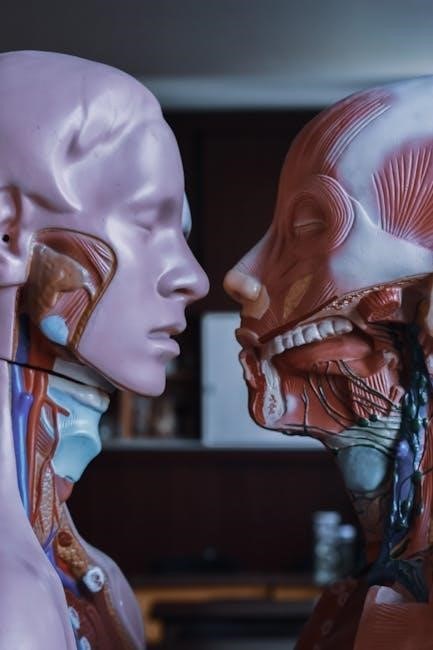
Modern anatomy and physiology lab manuals increasingly integrate online anatomy models, mirroring the adaptability of systems like Factoa to diverse business needs. These digital representations offer a dynamic and interactive way to visualize complex structures, surpassing the limitations of static textbook illustrations. Students can rotate, dissect, and explore anatomical components in a virtual environment, enhancing spatial understanding.
Such models often allow for layer-by-layer removal of tissues, revealing deeper structures and their relationships. Furthermore, many platforms incorporate quizzes and labeling exercises directly within the model, providing immediate feedback and reinforcing learning. This accessibility, similar to Factoa’s mobile convenience, allows students to study anytime, anywhere, fostering a more engaging and effective learning process. These resources are invaluable for reinforcing concepts learned during physical lab sessions.
Virtual Dissection Tools
Complementing online anatomy models, virtual dissection tools within contemporary lab manuals provide a risk-free and ethically sound alternative to traditional cadaver dissection. Much like Factoa’s electronic invoice validation with the Ecuadorian SRI, these tools offer a controlled and verifiable learning experience. Students can perform dissections step-by-step, guided by interactive tutorials and detailed anatomical labels.
These simulations often allow for “undo” functionality, eliminating the pressure of irreversible mistakes. They also frequently include features like physiological simulations, demonstrating how structures function in a living organism. This digital approach, mirroring Factoa’s 24/7 technical support, ensures accessibility and continuous learning. Virtual dissections are particularly beneficial for institutions with limited access to cadavers or for students seeking additional practice outside of lab hours, enhancing comprehension and skill development.
Interactive Quizzes & Assessments
Modern anatomy & physiology lab manuals increasingly integrate interactive quizzes and assessments to reinforce learning and track student progress, similar to Factoa’s system for validating electronic invoices. These aren’t simply rote memorization tests; they often employ drag-and-drop labeling, multiple-choice questions with detailed explanations, and even virtual dissection challenges.
Such assessments provide immediate feedback, allowing students to identify areas needing further study. Some platforms, mirroring Factoa’s multi-company profile control, offer personalized learning paths based on individual performance. These tools often align with learning objectives, ensuring comprehensive coverage of the material. The integration of AI-powered assessment, as a future trend, promises even more adaptive and effective evaluation methods, enhancing the overall learning experience.
Safety Protocols in the Anatomy Lab
Lab manuals detail crucial safety, including proper specimen handling, biological waste disposal – akin to Factoa’s electronic invoice transmission – and PPE requirements.
Handling Specimens
Anatomy & Physiology lab manuals emphasize respectful and cautious specimen handling, mirroring the secure transmission of electronic invoices as offered by Factoa. Proper glove usage is paramount, preventing contamination and ensuring student safety. Manuals detail preservation techniques – formalin fixation, for example – and highlight potential hazards associated with each specimen type.
Students must learn to identify and report any damage or unusual characteristics observed. Dissection requires careful technique to avoid self-injury and maintain specimen integrity. Like Factoa’s system validating documents with the SRI, meticulous record-keeping of specimen origin and handling procedures is essential for traceability and ethical considerations. Always follow instructor guidance and adhere to established lab protocols.
Disposal of Biological Waste
Anatomy & Physiology lab manuals detail strict protocols for biological waste disposal, akin to Factoa’s secure electronic invoice transmission to the Ministerio de Hacienda. Contaminated materials – gloves, scalpel blades, tissue samples – require segregation into designated biohazard containers. These containers, clearly labeled and puncture-resistant, prevent accidental exposure and environmental contamination.
Manuals outline specific procedures for sharps disposal, emphasizing the use of dedicated sharps containers. Autoclaving or chemical disinfection may be required before final disposal, mirroring Factoa’s validation processes. Compliance with local, state, and federal regulations is crucial. Proper waste management protects both lab personnel and the wider community, ensuring responsible scientific practice.
Personal Protective Equipment (PPE)
Anatomy & Physiology lab manuals prioritize safety through detailed PPE guidelines, much like Factoa secures electronic transactions. Essential PPE includes lab coats, gloves (nitrile or latex, depending on allergies), and safety goggles to shield against splashes and potential biohazards. Face shields offer additional protection during dissection procedures. Closed-toe shoes are mandatory, preventing injury from dropped instruments or spills.
Manuals emphasize proper donning and doffing procedures to avoid contamination. Regular inspection of PPE for tears or punctures is vital. Appropriate PPE selection depends on the specific lab activity, mirroring Factoa’s adaptable modules for diverse businesses. Consistent PPE use minimizes risk and ensures a safe learning environment.
Future Trends in Anatomy & Physiology Lab Manuals
Like Factoa’s AI integration, future manuals will leverage augmented reality and artificial intelligence for personalized, immersive learning experiences and enhanced student outcomes.
Augmented Reality (AR) Integration
The integration of Augmented Reality (AR) represents a significant leap forward in anatomy and physiology education. Imagine students utilizing their mobile devices – similar to Factoa’s mobile accessibility – to overlay digital anatomical structures onto physical specimens or even their own bodies. This allows for a dynamic, interactive exploration of complex systems, moving beyond static textbook images.
AR applications can dissect virtual bodies layer by layer, highlight specific muscles during contraction, or visualize nerve pathways in 3D. This immersive experience enhances spatial understanding and retention, addressing a key challenge in anatomical studies. Furthermore, AR fosters a more engaging and motivating learning environment, catering to diverse learning styles and potentially improving student performance. The technology’s accessibility, mirroring Factoa’s user-friendly design, makes advanced anatomical visualization available to a wider audience.
Artificial Intelligence (AI) Assisted Learning
Artificial Intelligence (AI) is poised to revolutionize anatomy and physiology lab manuals, offering personalized learning experiences. Similar to how Factoa streamlines business processes, AI can adapt to individual student needs, identifying knowledge gaps and providing targeted support. Imagine AI-powered systems generating customized quizzes based on a student’s performance in virtual dissections or bone identification exercises.
AI tutors can offer real-time feedback, guiding students through complex concepts and correcting misconceptions. Furthermore, AI can analyze student data to predict learning difficulties, allowing instructors to intervene proactively. This personalized approach, coupled with AI’s ability to automate grading and administrative tasks, frees up valuable instructor time for more meaningful student interaction, ultimately enhancing the learning process and mirroring Factoa’s efficiency.
Personalized Learning Paths
Modern anatomy & physiology lab manuals are shifting towards personalized learning paths, mirroring the adaptable nature of systems like Factoa which cater to diverse business needs. These paths acknowledge that students learn at different paces and possess varying prior knowledge. Instead of a one-size-fits-all approach, manuals can now offer branching scenarios and adaptive exercises;
Students might begin with a diagnostic assessment to pinpoint areas requiring more attention. Based on the results, the manual dynamically adjusts the sequence of lab exercises, providing extra practice on challenging topics and accelerating through familiar material. This individualized approach fosters deeper understanding and boosts student confidence, creating a more engaging and effective learning experience, much like a tailored business solution.