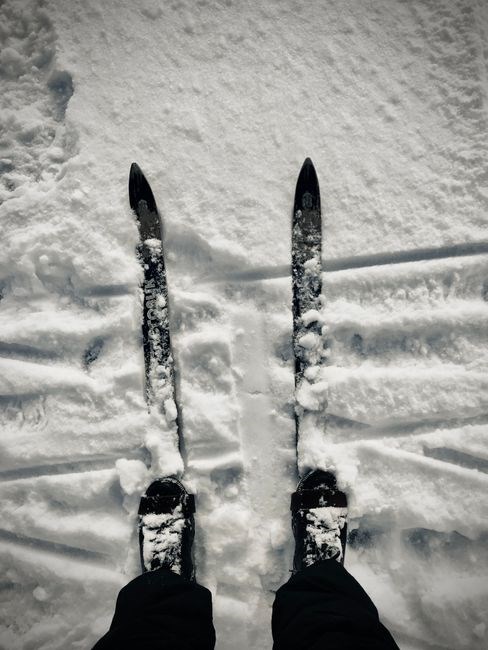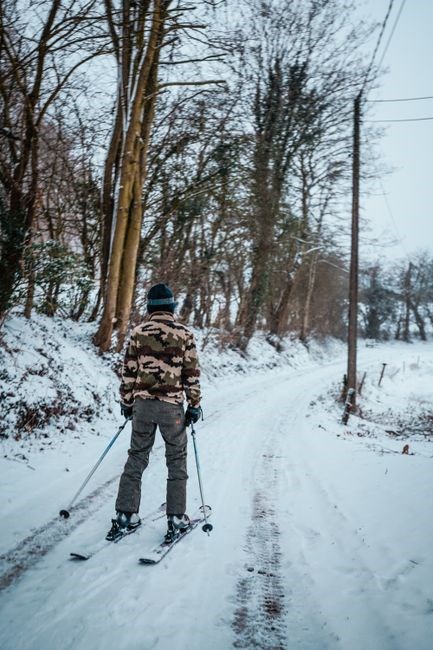
Choosing the right length hinges on height, weight, and skiing intent. Manufacturers provide charts that match body size to ski flex. A well‑sized ski shows a small credit‑card gap in the middle when standing. Ideal for skill levels, precise fit.
What is XC Ski Sizing?
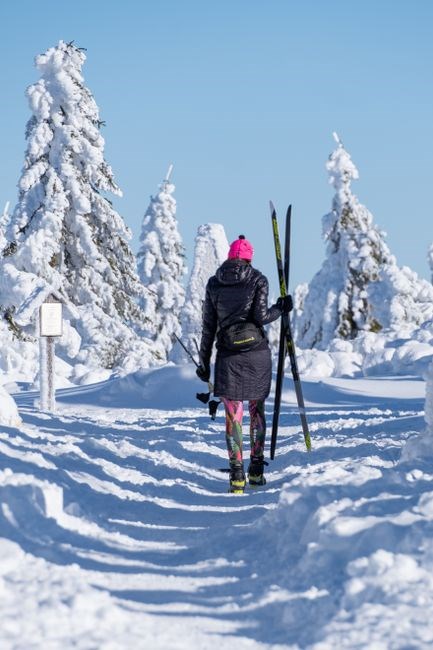
Cross‑country ski sizing is the art of matching a skier’s height, weight, and intended use to a ski’s length and flex. Manufacturers provide size charts that pair body measurements with recommended lengths; a well‑sized ski shows a small credit‑card‑sized gap in the middle when the skier stands on it. Proper sizing boosts glide, reduces fatigue, and keeps rhythm. Beginners often add about 10 cm to their height; advanced skiers may add 10–20 cm. Weight matters: heavier skiers need stiffer skis to support their load, while lighter skiers benefit from more flexible equipment. Flex is rated numerically (1–5) or descriptively (soft, medium, hard). Style—classic, skate, or backcountry—dictates whether a longer, stiffer ski or a shorter, more flexible one is best. In colder climates (below 28 °F) waxed skis glide better; in milder snow skin‑type skis reduce friction. Terrain also influences choice: flat groomed trails favor slightly longer skis, while hilly or off‑trail terrain benefits from shorter, maneuverable skis. Some brands offer performance lines with higher flex for racing, while recreational lines prioritize comfort. A simple gap test and the manufacturer’s chart help skiers find a length that balances performance and comfort for their specific conditions.!!
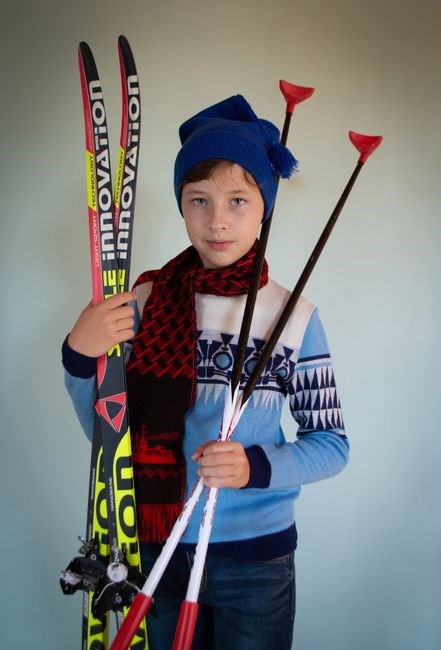
Why Size Matters
Choosing the correct ski length is pivotal for performance, safety, and enjoyment. A ski that is too short limits glide distance and reduces stability, causing frequent falls on steep or uneven terrain. Conversely, an overly long ski can be unwieldy, increasing the risk of over‑steering and making quick turns difficult. Proper length ensures that the ski’s flex profile matches the skier’s weight, allowing the ski to bend naturally under body load and providing the right amount of spring. This alignment reduces fatigue, improves energy transfer, and keeps the skier’s rhythm intact. In classic skiing, a well‑sized ski supports efficient diagonal stride mechanics, while in skate skiing it enables optimal push‑off force and balance. Additionally, correct sizing enhances binding fit, preventing slippage and ensuring reliable power transfer. For backcountry or touring, the right length balances travel distance and maneuverability on varied snow. Ultimately, the right size translates into smooth, faster, and more confident skiing, making the effort of selecting the right dimensions worthwhile. Trusting the chart and feel keeps you on the trail, not the ground. A well‑sized ski boosts balance, cuts injury risk, and lets you enjoy longer, relaxed days on the slopes!
Key Factors in Sizing
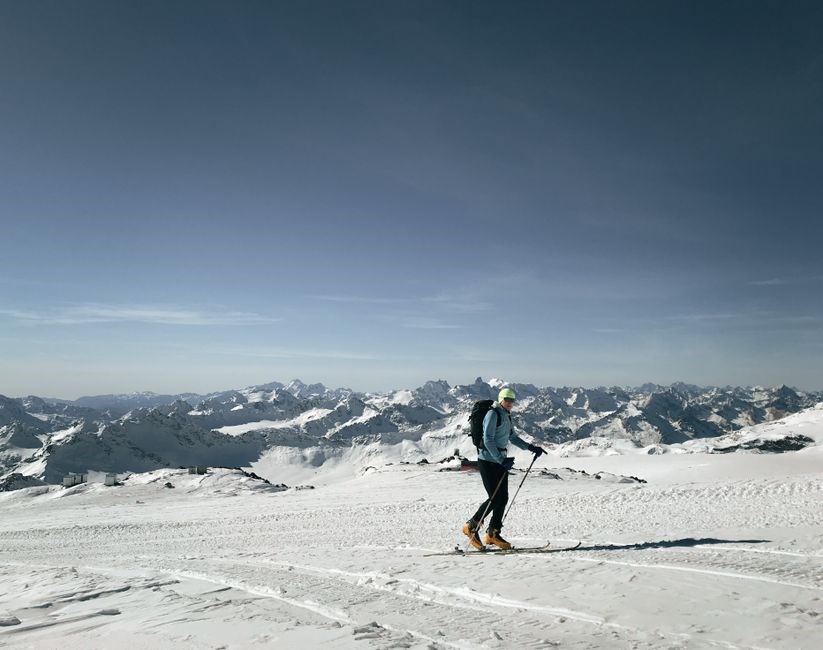
Height, weight, flex, dictate length. Height sets base length; weight adjusts flex for stability. Style (classic vs skate) changes optimal length. Terrain and intention refine final choice.
!!
Choosing the right length hinges on height, weight, and skiing intent. Manufacturers provide charts that match body size to ski flex. A well‑sized ski shows a small credit‑card gap in the middle when standing. Ideal for skill levels, precise fit.
Weight and Flex
Weight is a key determinant of ski flex and performance. Heavier skiers need stiffer skis for stability and efficient power transfer, while lighter skiers benefit from more flexible skis that offer better glide and easier turning. Manufacturers list a weight range for each model, indicating the optimal load for the designed flex profile. For example, a 70‑kg skier might need a ski rated for 60‑80 kg, whereas a 90‑kg athlete would target 80‑100 kg. If your weight falls outside the recommended range, the ski may feel too stiff—making turns hard—or too soft, losing control at speed. To assess fit, stand on the ski; a small credit‑card‑wide gap should appear in the middle, showing proper flex. Additionally, consider the ski’s flex rating (millimeters of deflection) and match it to your body mass and power output. A ski that flexes too much for a heavier skier will buckle; one that is too rigid for a lighter skier will feel unresponsive. Adjusting ski length also influences flex: longer skis flex less, giving more stability, while shorter skis flex more, offering quicker response. Selecting a ski whose flex aligns with your weight ensures optimal performance, reduces fatigue, and makes the cross‑country experience safer and more enjoyable. When you test the ski on a flat trail, notice how the flex feels under your weight; a well‑matched ski should glide smoothly without excessive resistance
Skiing Style and Intention
Choosing the right ski length depends on how you plan to use the equipment. For classic skating, a longer ski offers better glide and stability, while a shorter ski provides quicker turns and easier acceleration. In classic stride, a moderate length gives a balance between speed and maneuverability. For backcountry touring, a versatile length that can handle both uphill and downhill is essential; many skiers opt for a slightly longer ski to improve glide on varied terrain. The intended use also influences the flex rating: a high‑performance racing ski will have a stiffer flex, whereas a recreational ski will be softer for easier handling. Additionally, the terrain profile—flat groomed trails, rolling hills, or steep descents—should be considered. A ski that is too short on steep terrain may feel unstable, while one that is too long on flat ground can be cumbersome. Finally, personal preference and skill level play a role; beginners often choose a slightly longer ski for added stability, while advanced skiers may prefer a shorter, more responsive ski. By aligning length, flex, and style, you can maximize performance and enjoyment on the slopes. This alignment keeps each stride smooth cutting energy use and boost speed.
Classic vs Skate Ski Sizing
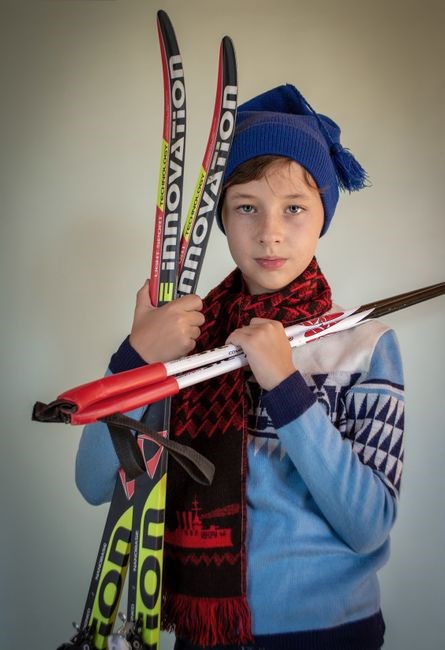
Classic skis favor longer lengths for glide, while skate skis are shorter for power and agility. Length guidelines differ: classic adds 10‑20 cm to height, skate stays closer to height. Flex varies accordingly.!!!
Classic Ski Length Guidelines
Classic cross‑country skis are tailored to glide, so length is a key factor. A common rule of thumb is to add about 10 cm to the skier’s height for beginners, and 10–20 cm for more advanced riders. This approach balances propulsion and stability: a longer ski offers better glide on flat terrain, while a slightly shorter ski reduces the effort needed for quick turns. For children, skis typically range from 110 cm to 170 cm, with the exact length chosen by adding the same 10–20 cm rule to the child’s height. Manufacturers often provide detailed charts that refine these guidelines by incorporating weight, boot size, and intended use (recreational vs. racing). It is essential to remember that no universal standard exists; the charts serve as a starting point, and the final choice should be validated by a fit test—standing on the ski should leave a small credit‑card‑wide gap in the middle, indicating proper flex. Adjustments may be needed for very cold or icy conditions, where a stiffer ski can improve grip. Ultimately, the goal is to match the ski’s length and flex to the skier’s body and style, ensuring efficient energy transfer and a comfortable ride. A well‑fitted ski should feel like an extension of your body, not an object.
Skate Ski Length Guidelines
Skate cross‑country skis demand a different approach than classic gear. A common sizing rule is to add roughly 5–10 cm to the skier’s height, then adjust for weight and boot size. Heavier athletes or those with larger boots often benefit from a slightly longer ski to maintain stability during high‑speed turns. Conversely, lighter skiers or beginners may prefer a shorter length to reduce the effort needed for quick, tight carving. Manufacturers provide detailed charts that refine these guidelines, incorporating factors such as flex rating, intended use (recreational, racing, or backcountry), and snow conditions. A useful test is the “gap check”: when standing on the ski, a small credit‑card‑wide gap should appear between the ski and the ground, indicating the correct flex for your weight. If the gap is too wide, the ski is too stiff; if it’s too narrow, the ski may over‑flex. Adjustments can also be made for extreme temperatures—colder snow often calls for a stiffer ski to preserve edge grip. Ultimately, the goal is to match the ski’s length and flex to your body and skating style, ensuring efficient power transfer and a comfortable, responsive ride. From sprinting to long‑distance tours, right length keeps you in control and lets you glide confidence.
Manufacturer Size Charts
Each brand lists ski length versus height, weight, and boot size. Charts show flex rating; a small credit‑card gap indicates proper flex. Use the chart to match your body and skiing style for best performance.
Reading a Size Chart
When consulting a manufacturer’s chart, start by locating your height in centimeters or inches. Most charts provide a range; choose the midpoint if you fall between two values. Next, check the weight column to ensure the ski’s flex rating matches your body mass. A ski that is too stiff will feel unresponsive, while one that is too soft will lack support. Many charts also list boot size; if your boots are large, you may need slightly longer ski to maintain proper glide. Pay attention to the “flex” or “stiffness” indicator—often marked as “soft,” “medium,” or “hard.” For beginners, a softer flex allows easier push‑off, whereas advanced skiers prefer a stiffer board for speed. Some manufacturers include “recommended length” column that factors in both height and weight use this baseline then adjust for your skiing style. If you ski primarily on groomed trails, a slightly shorter ski can improve maneuverability. Conversely, for backcountry or powder, a longer ski offers better flotation. Finally, remember that charts are guidelines; real‑world testing and a professional fitting can fine‑tune the final choice. Always verify that the ski’s length falls within the manufacturer’s safe range for your weight to avoid structural stress
Practical Sizing Tips
Use a gap test: stand on the ski, a credit‑card width gap indicates proper flex. Adjust length for terrain: shorter for tight trails, longer for powder. Always match boot size and weight to flex rating for optimal performance. and test in real conditions;!
Gap Test for Flex
When choosing a cross‑country ski, the flex rating dictates how the ski bends under your weight. The gap test is a quick visual check: stand on the ski with boots on, toes forward, and let the ski rest on the snow. In the middle, below the binding, a properly sized ski should show a small gap about the width of a standard credit card (≈3.5 cm). A gap that is too wide suggests the ski is too soft for your weight, causing poor control and drag. A gap that is nearly closed indicates the ski is too stiff, making it hard to push off and reducing responsiveness during the glide phase.
To perform the test accurately, ensure the ski sits on a flat, dry surface and that the snow is compacted. Place your weight evenly across both skis if testing a pair. If the gap falls outside the desired range, adjust the ski length or choose a different flex rating. Heavier skiers or those using high‑performance boots often need a stiffer ski with a narrower gap, while lighter skiers or beginners benefit from a softer ski with a slightly wider gap, allowing easier stride initiation and a more forgiving feel. Combine the gap test with height, weight, and intended use for the best ski selection. This simple test helps ensure a comfortable, efficient ride before you hit the trails. Also, consider your boot size; a larger boot may require a stiffer ski to maintain proper flex. If you are a beginner, a slightly softer ski with a wider gap can aid in learning the classic stride. For advanced skiers, a narrower gap enhances power transfer during the push phase. Waxing can subtly change flex.
Adjusting for Terrain
When the snow is powdery, a shorter ski can help maintain edge control, whereas packed snow favors a longer ski for better glide. Crystalline wax for hard packs and soft snow can be adjusted mid‑trip to match changing conditions.
On steep descents, a shorter ski reduces the moment arm, allowing quicker turns and less fatigue. On gentle climbs, a longer ski distributes weight more evenly, improving efficiency. Skis with moderate flex adapt to both, but a dedicated pair for each terrain yields best performance. This speed control for today !
Binding angles should be set to match the ski’s flex: a steeper angle (e.g., 15°) on a stiff ski improves edge grip on hard snow, while a gentler angle (10°) on a softer ski reduces fatigue during long climbs. Adjusting the heel lift can also fine‑tune the ski’s effective length, making it feel shorter or longer depending on the slope profile.
When traveling, consider ski length relative to luggage space: shorter skis are easier to fit in overhead bins, while longer skis may require a dedicated ski bag. Some manufacturers offer a modular design that allows the ski to be split into two sections for transport, reducing weight and bulk without compromising performance on the trail. Pack with a sleeve for and.
Choosing the right cross‑country ski is more than a number on a chart; it’s an integration of body metrics, skill level, and the terrain you’ll conquer. Height and weight set the baseline, but the ski’s flex and the skier’s style fine‑tune the fit. A well‑matched pair feels like an extension of the body, offering a natural glide that reduces effort over long distances. A ski that flexes too much or too little forces the body to compensate, increasing the risk of overuse injuries. By selecting a length that matches your height and a flex that aligns with your weight, you maintain a more efficient stride, preserve energy, and enjoy longer sessions on the trail. Stay fit
Beyond the basic fit, a correctly sized ski aligns the natural stride with the ski’s flex pattern, allowing the skier to generate power more efficiently and reduce muscular fatigue. A ski that matches body weight minimizes compensatory movements, lowering the risk of joint strain and overuse injuries. For regular training, the cumulative benefit of proper sizing can translate into faster progress and a winter season. By investing time in selecting a ski that truly fits, and skiers can enjoy longer, rewarding sessions and maintain a steady training rhythm throughout the months