
Historical Context of Vintage Sewing Machine Manuals
During the late 19th century, industrial textile factories required standardized instruction. Manufacturers published concise manuals covering threading, stitch selection, and maintenance, making complex machines usable at home and in workshops. These guides are now prizeartifacts of industrial progress collectors
The Rise of Industrial Sewing in the 19th Century
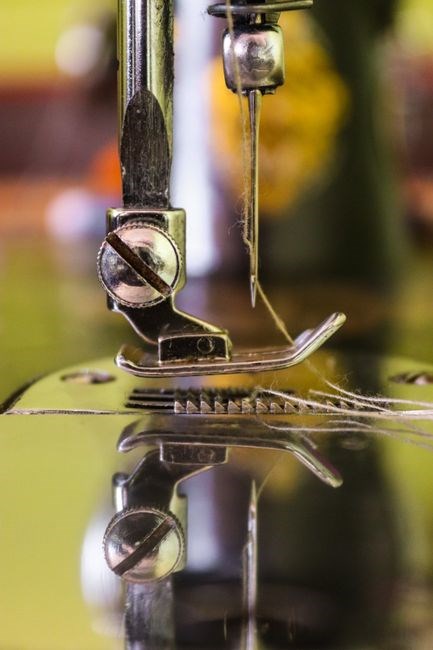
In the mid‑1800s, the textile industry underwent a seismic shift as mechanized looms and powerdriven looms proliferated across factories. The advent of the first commercially viable sewing machine, introduced by Elias Howe in 1846, catalyzed a wave of innovation that extended beyond the factory floor into domestic parlors. As factories demanded higher output, manufacturers began to standardize their machines, producing detailed instruction sheets that addressed threading, stitch selection, and maintenance. These documents evolved into comprehensive manuals that served as both technical guides and marketing tools, illustrating the machine’s versatility for home use and small‑scale production. The proliferation of such manuals coincided with the rise of the middle class, who sought affordable, efficient tools for garment repair and creation. Consequently, sewing machine manufacturers invested heavily in printed literature, often employing skilled illustrators to produce clear diagrams that demystified complex mechanisms. The manuals also reflected broader industrial trends: the emphasis on safety, the need for routine maintenance, and the growing awareness of intellectual property rights. By the 1870s, the market was saturated with a variety of hand‑operated and power‑driven models, each accompanied by a bespoke manual that highlighted unique features and troubleshooting tips. This period marked the beginning of a long tradition of detailed, user‑friendly documentation that has continued to evolve with each technological advancement in the sewing industry.
These manuals served as education, bridging technical knowledge and everyday practice.
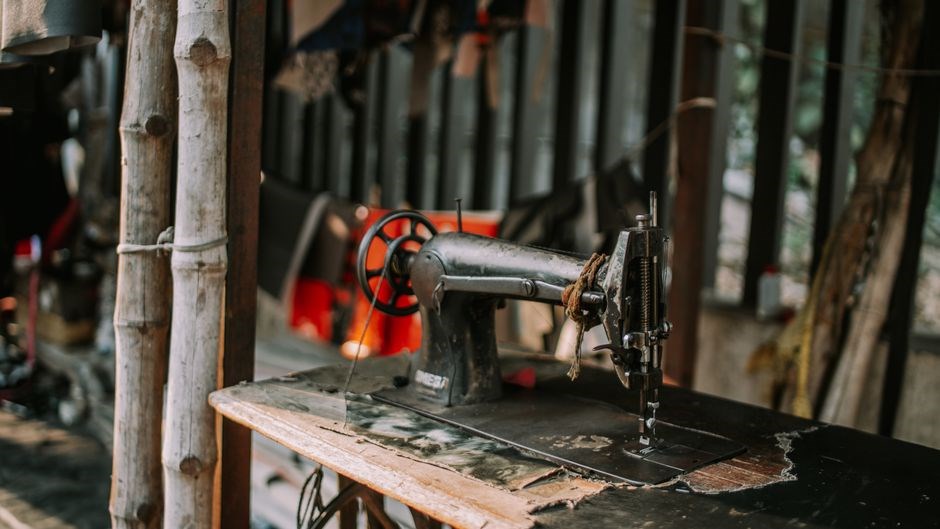
Prominent Manufacturers and Their Manuals
Key brands like Singer, Juki, and Pfaff released manuals that combined diagrams, safety warnings, and step‑by‑step guides. These books became collector’s items, reflecting each company’s engineering philosophy and marketing strategy. They also included troubleshooting tables and part lists for repair. Today!!.
Singer Manual Features and Legacy
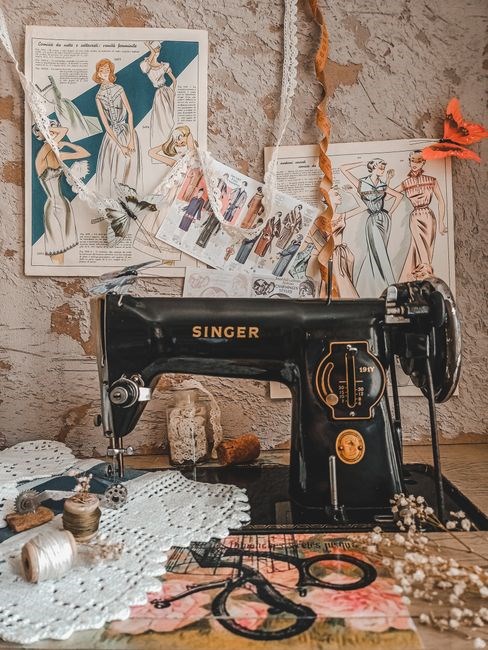
Early Singer manuals, first issued in 1851, combined concise diagrams with clear prose, offering a user‑friendly guide for home and workshop operators. The 1870s editions introduced a standardized “S‑number” system, allowing customers to order replacement parts directly. Each manual contained a safety section, a detailed stitch‑selection chart, and a troubleshooting table that listed common mechanical faults and their remedies. The manuals were printed on durable paper, bound in blue cloth, and stamped with the Singer emblem, ensuring longevity and brand recognition.
Collectors prize Singer manuals for their historical value and aesthetic appeal. The manuals’ detailed diagrams, handwritten notes, and marginalia provide insight into early industrial design and user experience. The manuals also serve as a record of the changing aesthetics of machine design, and the manuals’ diagrams illustrate the evolution of stitch patterns over time.
Digitally, many Singer manuals have been scanned and made available in searchable PDFs, allowing researchers to trace the development of sewing technology and its impact on textile manufacturing. The digitized editions also provide a platform for academic study, enabling the preservation of rare manuals for future generations.
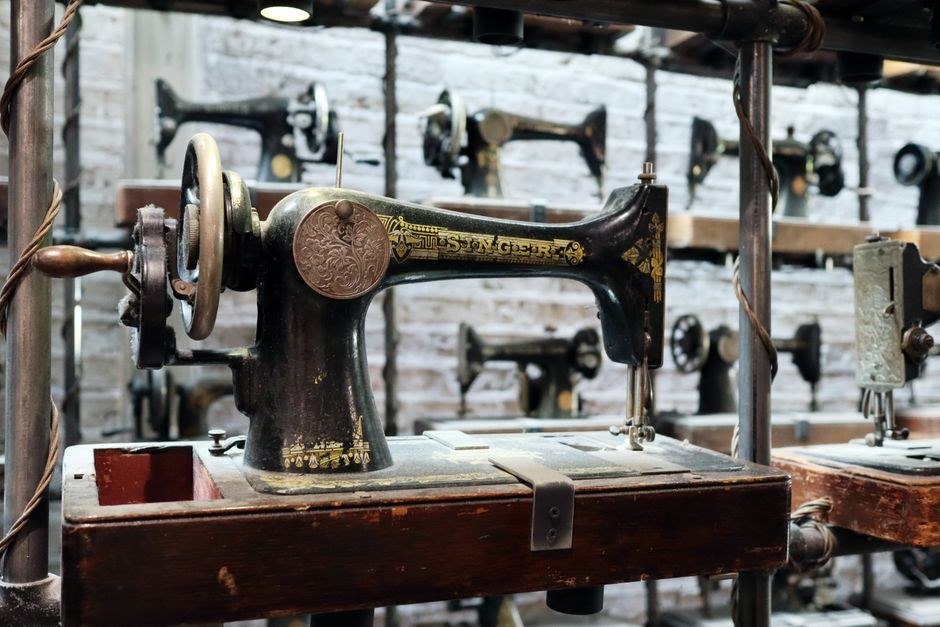
These manuals remain central to the study of industrial heritage, offering a tangible link between the past and present. They also serve as educational tools, illustrating the mechanics of early industrial machinery and the evolution of domestic technology.
In sum, Singer manuals are more than instruction; they are artifacts that capture the spirit of a transformative era in textile history.
Manuals listed with price tagsnow.
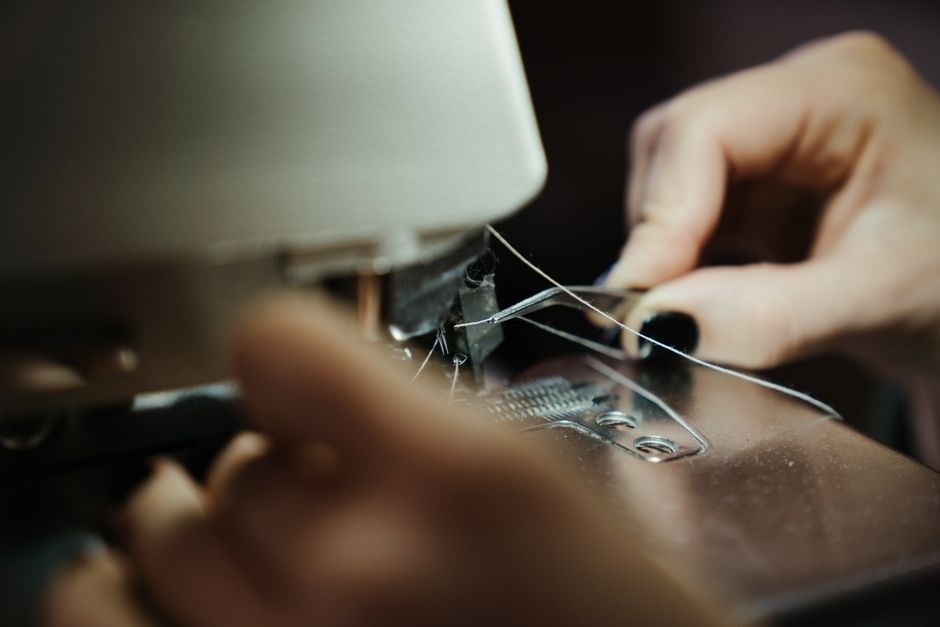
Common Sections in the Manuals
Typical manuals feature a safety brief, operation steps, stitch charts, maintenance tips, and troubleshooting. They also include a glossary of terms, part lists, and a warranty notice. These sections guide users from assembly to daily care, ensuring reliable use.2023 Rev.!!

Safety, Operation, and Maintenance Guidelines
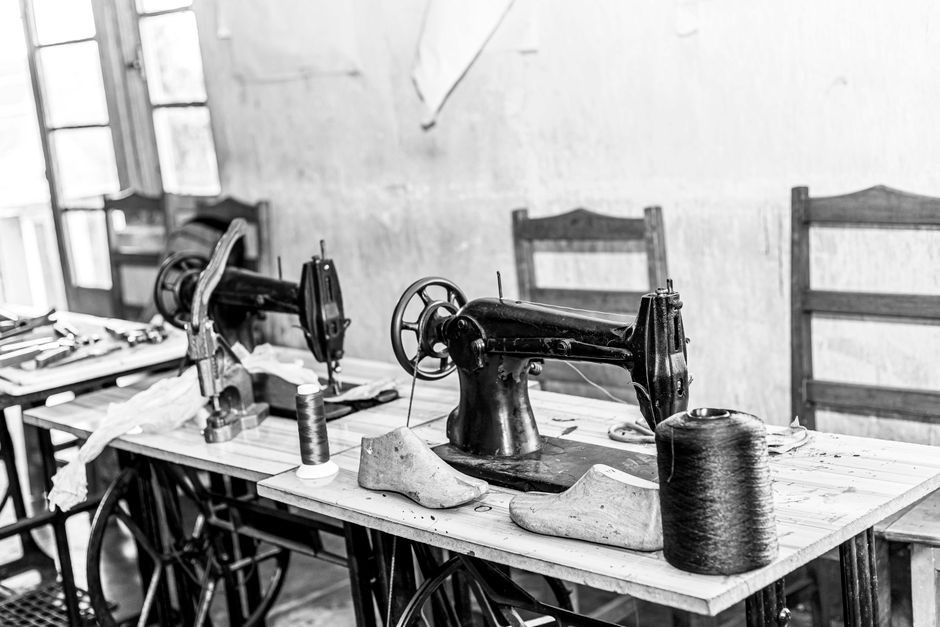
Early sewing machine manuals began with a stern safety preface, warning users against loose clothing, exposed fingers, and improper use of the foot pedal. The text advised keeping the machine on a stable surface, ensuring the power cord was free of obstructions, and never operating the machine’s still plugged in after turning it off. Users were instructed to wear gloves when handling the needle and to keep children away from the machine’s moving parts. The operation section detailed step‑by‑step procedures: threading the upper and lower threads, setting the stitch length, selecting the stitch type, and engaging the feed dogs. Manuals emphasized the importance of aligning the needle correctly, checking the tension dial, and using the correct needle size for the fabric. They also described how to adjust the presser foot, how to release the feed dogs, and how to use the lockstitch mechanism safely; Maintenance guidelines focused on daily cleaning, oiling, and part inspection. Users were told to unplug the machine before cleaning, to wipe the body with a damp cloth, and to use the supplied oil to lubricate the needle bar, feed dogs, and the bobbin case. The manuals recommended inspecting the needle for bending or dullness, replacing it every few hundred stitches, and checking the bobbin for proper winding. They also advised storing the machine, and checking tension.!!! This comprehensive approach ensured safe, efficient operation and extended the machine’s lifespan, reflecting the manufacturers’ commitment to user education and product reliability in the early industrial era.
Formats and Distribution Channels
Vintage sewing machine manuals were initially printed as bound booklets, often in paper, and distributed through factory catalogs and mail order. Later, manufacturers released reprinted guides in paperback, and collectors now find them in antique shops and online auctions Collectors trade PDFs and digitized scans.
Original Printed Books versus Reprinted Guides
Original printed books of vintage sewing machine manuals were produced by manufacturers in limited runs, bound in thick paper or cloth covers, and stamped with the company logo. These first editions featured hand‑printed text, hand‑drawn diagrams, and sometimes handwritten notes in the margins. Because the printing presses of the era were slower and more expensive, the supply was limited, making surviving copies highly prized by collectors. Reprinted guides emerged in the mid‑20th century as manufacturers sought to refresh catalogs or provide updated safety information. These reprints were usually produced by commercial printing houses, used cheaper paper stock, and sometimes incorporated color photographs or updated schematics. While more accessible and cheaper, reprinted editions may lack the original’s tactile quality and may contain typographical errors or omissions that were corrected in the first edition. For researchers, the distinction matters: original prints offer primary source insight into the machine’s design intent, whereas reprints can reflect later interpretations or marketing strategies and sometimes in the early 1900s. Collectors compare both versions, noting differences in binding, paper weight, and marginalia, to assess authenticity and historical value. The physical differences are noticeable: original books often have a heavier, more textured cover, while reprints tend to have a thinner, glossy finish. These manuals were distributed through factory catalogs, mail‑order listings, and later through hobbyist clubs, ensuring wide accessibility. Collectors preserve originals in acid‑free sleeves to prevent paper degradation, and occasionally include a brass seal, and often sometimes. These guides remain invaluable for us
Digitization and Online Access
Digitization projects scan original manuals, converting them into searchable PDFs. Libraries and hobbyist sites host these files, offering free access. Users can zoom, search by keyword, and download high‑resolution images for restoration or study. These resources are CC‑licensed, enabling free educational use.!!
Major Digital Repositories and Searchable PDFs
Several online archives now host digitized editions of vintage sewing‑machine manuals, many of which are fully searchable. The Library of Congress’s American Memory collection contains early Singer and J. R. L. S. manuals, scanned at 600 dpi and encoded with OCR for keyword lookup. The Internet Archive’s Text Archive hosts a wide range of 19th‑century manuals from manufacturers such as Singer, Pfaff, and Husqvarna, each converted to PDF with embedded text layers. The Singer Heritage Library offers downloadable PDFs of original manuals, complete with high‑resolution images and searchable captions. The Museum of Technology Digital Library provides a curated collection of manuals from the 1800s, many annotated by historians. For those seeking specialized content, the Vintage Sewing Machine Manual Project on GitHub hosts a repository of PDFs that have been re‑OCRed and tagged with metadata for easy browsing. These resources are invaluable for researchers, restorers, and hobbyists who need accurate, machine‑readable versions of historical documents. In addition, the Historic Machines Archive supplies PDFs of early industrial sewing machines with detailed diagrams. The Digital Public Library of America aggregates digitized manuals from regional libraries, allowing users to filter by manufacturer, year, and language. Many of these PDFs are available under Creative Commons licenses, enabling free redistribution for educational purposes. Users can also access searchable XML versions that facilitate advanced queries, such as locating specific stitch instructions or maintenance tips across multiple manuals. The combination of high‑resolution scans, OCR accuracy, and metadata tagging makes these repositories essential tools for preserving the legacy of early sewing technology. Researchers can also download the raw scan files for archival preservation, ensuring that the original image quality is retained for future restoration projects. Moreover, the National Archives Catalog lists digitized sewing‑machine manuals from the 19th century, providing cross‑references to related patent documents.
Preservation and Restorative Practices
Conservationists use acid‑free folders, climate control, and gentle cleaning to protect fragile pages. Restorative work often involves re‑binding, UV‑stable glue, and digital restoration of faded text. Proper storage in cool, dry conditions extends the life of these historical documents. (digitally restored)
Physical Conservation Techniques for Aging Paper and Binding
Preserving vintage sewing machine manuals requires meticulous care: store in climate‑controlled conditions, use acid‑free sleeves, handle with gloves, clean with soft brushes, and reinforce bindings with archival tape. Preserving vintage sewing machine manuals requires meticulous care: store in climate‑controlled conditions, use acid‑free sleeves, handle with gloves, clean with soft brushes, and reinforce bindings with archival tape. Preserving vintage sewing machine manuals requires meticulous care: store in climate‑controlled conditions, use acid‑free sleeves, handle with gloves, clean with soft brushes, and reinforce bindings with archival tape. Preserving vintage sewing machine manuals requires meticulous care: store in climate‑controlled conditions, use acid‑free sleeves, handle with gloves, clean with soft brushes, and reinforce bindings with archival tape. Preserving vintage sewing machine manuals requires meticulous care: store in climate‑controlled conditions, use acid‑free sleeves, handle with gloves, clean with soft brushes, and reinforce bindings with archival tape. Preserving vintage sewing machine manuals requires meticulous care: store in climate‑controlled conditions, use acid‑free sleeves, handle with gloves, clean with soft brushes, and reinforce bindings with archival tape; Use consolidants, replace missing pages with archival paper, actions.
Legal Aspects of Reproducing Manuals
Many vintage sewing machine manuals pre‑1900 are in the public domain, but later editions may still be under copyright. Researchers should verify publication dates, consult national copyright databases, and secure permissions before reproducing text or images. notes!?
Copyright Status and Public Domain Considerations
Many sewing‑machine manuals printed before 1920 are generally in the public domain in most jurisdictions, as the statutory term of protection has expired. However, the situation changes for later editions, reprints, or updated versions that incorporate new diagrams, safety warnings, or proprietary terminology. In the United States, the 1909 Copyright Act and its successors apply, with a 95‑year term for works published with a proper notice. Thus, a manual first issued in 1915 would still be under copyright until 2010, and any reissue after that date may carry a new copyright. In the European Union, the 70‑year rule applies from the author’s death, but for corporate authors the term is 70 years from publication, which can extend protection for modern editions. When a manual is a compilation of earlier public‑domain material, the compiler’s original contributions may be protected, so it is essential to examine the specific edition’s copyright notice. Many libraries and digital repositories provide metadata indicating the status; the U.S. Copyright Office’s public record, the EU’s EUR‑Lex database, and the Library of Congress’s catalog are reliable sources. For commercial reproduction, it is prudent to obtain a license or permission from the rights holder, especially if the manual contains proprietary diagrams or brand‑specific instructions. Non‑commercial use for research or archival purposes often falls under fair use or fair dealing, but the scope varies by country. When in doubt, consult a copyright attorney or use the Creative Commons “public domain” checklists available online. Finally, always cite the original source, include the publication date, and note any modifications made during digitization to maintain transparency and respect for intellectual property. Additionally, some publishers maintain a public domain database that lists all out‑of‑copyright manuals, and enthusiasts often cross‑reference these lists with the original publication dates to ensure compliance. By following these guidelines, hobbyists and archivists can safely share and preserve the rich heritage of sewing‑machine manuals without infringing on existing rights. Researchers should also verify the edition’s publication date, as some manuals were reissued with safety warnings, and these newer versions may still be protected under copyright law .