Overview of Fauré’s Requiem
Fauré’s Requiem (Op.48) is freely available in PDF form on IMSLP and MuseScore‚ offering full vocal scores and piano reductions. The scores include all seven movements‚ with clear notation for SATB voices and accompaniment‚ making them ideal for study and performance. Download options include MIDI files for 2
Composition Background
Gabriel Fauré’s Requiem‚ Op. 48‚ emerged during a period of personal and artistic transition in the late 1890s. After the death of his mother in 1894 and amid his growing reputation as a composer of intimate‚ lyrical works‚ Fauré sought to craft a requiem that reflected his own sense of calm dignity rather than the dramatic‚ often grim‚ tradition of earlier mass settings. He chose the Latin text of the Requiem Mass but deliberately omitted the “Dies irae” to avoid the violent imagery that had dominated earlier requiems‚ instead favoring a more contemplative‚ almost lullaby‑like atmosphere. The composition was written for a small choir and orchestra‚ a choice that mirrored his preference for transparent orchestration and subtle harmonic language. Fauré’s careful attention to vocal balance and his use of gentle‚ flowing melodic lines create an intimate setting that invites listeners into a personal‚ reflective experience. The work’s modest scale and restrained orchestration made it accessible to smaller ensembles‚ contributing to its enduring popularity among choral groups worldwide. First performed in 1900 in Paris‚ the Requiem quickly established itself as a staple of the choral repertoire‚ celebrated for its lyrical beauty and understated emotional depth. Its publication on IMSLP and MuseScore has made the score widely available in PDF format‚ allowing performers and scholars alike to study and enjoy this quiet‚ dignified masterpiece.
Reception and Legacy
From its premiere in 1900‚ Fauré’s Requiem quickly garnered acclaim for its serene‚ almost lullaby quality‚ contrasting sharply with the bombastic requiems of his predecessors. Critics praised its restrained harmonic language and the subtle interplay between choir and orchestra‚ noting that the work’s gentle cadences offered a more intimate‚ contemplative experience. Over the decades‚ the Requiem has become a staple of choral programs worldwide‚ celebrated for its lyrical beauty and emotional depth. Its accessibility to smaller ensembles‚ combined with its profound spiritual resonance‚ has ensured its continued relevance in both concert halls and liturgical settings. Modern recordings by renowned conductors and choirs have further cemented its status‚ with interpretations ranging from austere‚ reflective performances to more expressive‚ nuanced renditions. The piece’s legacy lies in its ability to convey quiet dignity and personal reflection‚ making it a timeless addition to the choral repertoire. In contemporary performance practice‚ choirs often adapt the score to accommodate varying ensemble sizes‚ with many opting for a reduced orchestration that preserves the work’s delicate color palette while ensuring accessibility for community groups. Additionally‚ the Requiem’s harmonic language has inspired numerous arrangements for solo instruments‚ such as the celebrated piano transcription by Claude Debussy‚ which captures the original’s lyrical essence in a more intimate setting. Scholars continue to analyze Fauré’s unique approach to text setting‚ and
Historical Context and Publication
Fauré’s Requiem debuted in 1900 Paris‚ swiftly gaining acclaim. Published by Leduc‚ the score entered public domain‚ enabling free PDF distribution via IMSLP and MuseScore. Its modest orchestration made it popular among small choirs worldwide. Worldwide‚ free!!
Premiere and Initial Performance
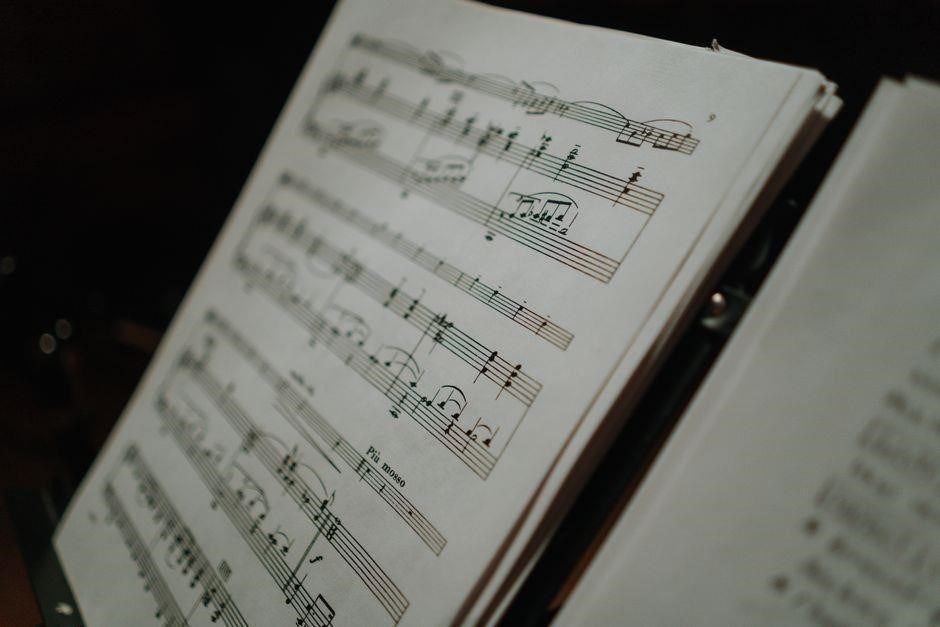
Gabriel Fauré’s Requiem‚ Op.48‚ made its world debut on 17 April 1900 at the Théâtre du Châtelet in Paris. The premiere was conducted by the composer himself‚ with the Société des Concerts du Conservatoire providing the orchestra and choir. The performance was attended by an enthusiastic audience‚ including prominent musicians such as the tenor Jean de Reszke and soprano Louise Gagnon. Fauré’s choice of a modest‚ intimate setting reflected his desire for a personal‚ reflective tone rather than grandiose spectacle. The work was received with critical acclaim‚ praised for its lyrical beauty and subtle harmonic language. Following the success of the Paris premiere‚ the Requiem was performed in other European cities‚ including London and Berlin‚ within the same year. The early performances established the Requiem as a staple of the sacred repertoire‚ and its publication by Leduc soon after the premiere made the score widely accessible. Today‚ the original manuscript and early editions can be found in public domain collections‚ allowing free PDF downloads from IMSLP and MuseScore for performers worldwide.
Since its premiere‚ the Requiem has become a staple in liturgical and concert settings worldwide. Its modest orchestration allows small ensembles to perform it with authenticity‚ and the vocal lines are accessible to a range of singers. Many recordings by renowned choirs‚ such as the Choir of St. Paul’s Cathedral and the Choir of the Royal College of Music‚ have helped popularize the work. The score’s harmonic language‚ characterized by subtle shifts and lyrical motifs‚ continues to inspire composers and performers alike. Modern editions‚ including those by the Schott Music publisher‚ offer editorial clarity while preserving Fauré’s original intent. Its legacy endures‚ inspiring all today

Editions and Rights
Fauré’s Requiem (Op.48) entered the public domain in 1956‚ so the original score is freely downloadable as PDF from IMSLP. The 1925 Schott edition remains the standard reference; it is available in PDF on IMSLP and preserves the composer’s original markings. A 1985 edition by Éditions Alphonse Leduc offers a modernized layout with editorial notes‚ also free on IMSLP. For a contemporary perspective‚ the 2005 Oxford University Press edition includes critical commentary and a detailed introduction; it is available as PDF on the OUP site but requires a subscription for full access. The MuseScore community has created user‑generated arrangements—piano‑vocal reductions‚ organ accompaniments—shared under Creative Commons licenses; these can be downloaded as PDF and MIDI from MuseScore.com. All IMSLP PDFs are released under CC0‚ placing them in the public domain‚ which allows educators to use the score in curricula without licensing fees. Performers may print the PDF for rehearsals; the file size is typically under 5 MB‚ convenient for online sharing. The public domain status also permits commercial recordings without royalty payments. New arrangements that add original material may be copyrighted‚ so performers should verify licensing for such adaptations. The availability of multiple editions gives options for small chamber choirs to full symphonic ensembles. In summary‚ the public domain status‚ freely downloadable PDFs‚ and community‑generated arrangements make Fauré’s Requiem widely accessible and legally unencumbered for academic and professional use. These resources aid performance today everywhere. They are freely shared worldwide‚ encouraging global interpretation and inspire new performances daily.

Musical Structure and Movements
The Requiem’s seven movements flow from the solemn Introit to the serene In Paradisum. PDF scores display clear SATB parts‚ piano reductions‚ and organ accompaniment‚ enabling choirs to navigate the piece’s lyrical motifs and dynamic contrasts with ease. The PDF offers a scorefull with dynamics for tempo at markings.
Seven Movements Breakdown
Fauré’s Requiem‚ Op.48‚ unfolds in seven distinct movements‚ each offering a unique musical perspective while maintaining a cohesive spiritual narrative. The opening Introit establishes a gentle‚ reflective mood with a lyrical soprano line over a subtle piano accompaniment‚ setting the tone for the work’s meditative character. Following this‚ the Kyrie introduces a more robust choral texture‚ featuring a memorable‚ flowing melodic line that conveys a sense of pleading and consolation. The third movement‚ the Sequence‚ is a concise‚ lyrical passage that highlights Fauré’s penchant for melodic clarity and harmonic subtlety. The Offertory offers an intimate dialogue between the choir and the soloists‚ with delicate interplay that underscores the work’s contemplative nature. The Sanctus presents a serene‚ almost hymn-like quality‚ showcasing Fauré’s ability to blend traditional liturgical elements with his own harmonic language. The sixth movement‚ the Libera‚ is a poignant‚ expressive piece that emphasizes the human yearning for release‚ featuring a soaring alto line that carries the emotional weight of the text. Finally‚ the In Paradisum concludes the Requiem with an uplifting‚ hopeful atmosphere‚ characterized by a bright‚ triumphant choral finale that brings the work to a satisfying resolution. Each movement is meticulously notated in the PDF scores available on IMSLP and MuseScore‚ allowing performers to explore the nuanced dynamics‚ tempo markings‚ and expressive nuances that define Fauré’s masterful composition. The PDF includes rehearsal marks and tempo indications‚ allowing conductors to tailor performances to their ensemble’s strengths.!
Instrumentation and Vocal Parts
Fauré’s Requiem (Op.48) is scored for a full SATB choir‚ with optional soloists‚ and a piano or organ accompaniment; The vocal parts are divided into soprano‚ alto‚ tenor‚ and bass‚ each carrying distinct melodic lines that interweave to create a rich harmonic tapestry. The soprano line often carries the lyrical‚ plaintive melody‚ while the alto provides a warm‚ supportive harmony. The tenor section delivers a robust‚ resonant counterpoint‚ and the bass anchors the harmonic foundation. In addition to the choir‚ the score allows for optional solo passages for soprano‚ alto‚ tenor‚ or bass‚ offering performers flexibility in interpreting the work’s expressive depth. The piano part is written in a transparent‚ supportive style‚ providing harmonic context and rhythmic drive without overpowering the vocal lines. For those seeking a more traditional liturgical setting‚ an organ reduction is available‚ featuring a full organ accompaniment that mirrors the piano’s harmonic framework while adding a majestic‚ resonant quality. The PDF scores on IMSLP and MuseScore include detailed markings for dynamics‚ tempo‚ and articulation‚ enabling conductors to shape the performance with precision. The notation also indicates rehearsal marks and tempo indications for each movement‚ facilitating rehearsal planning and ensuring a cohesive interpretation of the Requiem’s contemplative and uplifting passages. Overall‚ the instrumentation and vocal parts reflect Fauré’s elegant‚ understated style‚ offering performers a balanced‚ expressive canvas to explore the work’s spiritual themes. The scores also provide optional instrumental reductions‚ such as a piano duet or organ solo‚ allowing ensembles of varying size to adapt the work while preserving its harmonic integrity. Musicians can consult the detailed editorial notes for performance practice guidance! OK
Score Formats and PDF Availability
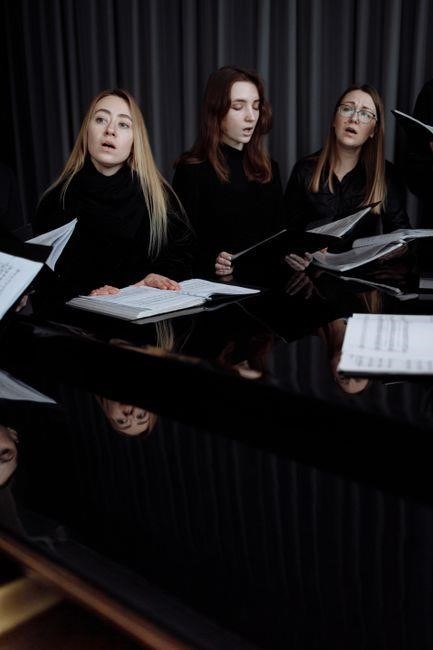
Fauré’s Requiem scores are freely downloadable in PDF from IMSLP and MuseScore‚ offering full vocal scores and piano reductions. The PDFs include all seven movements with detailed dynamics‚ tempo markings‚ and optional organ or piano accompaniment. Performers can also access MIDI files for practice. Enjoy share.!!
PDF Downloads from IMSLP
Fauré’s Requiem (Op.48) is freely downloadable from IMSLP as a complete vocal score and piano reduction. The PDFs contain the seven movements—Introit‚ Kyrie‚ Dies Irae‚ Sanctus‚ Agnus Dei‚ Libera‚ and In Paradisum—each with tempo markings‚ dynamics‚ and articulation symbols. Vocal parts are clearly separated‚ and the accompaniment is laid out for SATB voices with optional organ or piano. Users can download the entire score in one file or choose individual movements for easier navigation. The high‑resolution PDFs are suitable for both digital playback and high‑quality printing. IMSLP also offers a MIDI file for each movement‚ useful for rehearsal or phrasing reference. The site’s search function lets users quickly locate the Requiem by composer name or opus number. Community contributors often add editorial notes or performance insights in the comments section‚ enriching the resource. Because the work is in the public domain‚ the PDFs can be freely distributed‚ printed‚ or used in educational settings without licensing restrictions. This accessibility ensures that Fauré’s Requiem remains available to a global audience‚ preserving its legacy for future generations. The PDFs are derived from facsimiles‚ letting performers compare the printed edition with Fauré’s handwritten notation‚ revealing subtle phrasing nuances. Additionally‚ the IMSLP page links to related works and historical recordings‚ offering context for interpretation. Users can also export the score to PDF from MuseScore‚ where community members have uploaded arrangements for piano or organ. These resources support academic study and rehearsal‚ making the Requiem accessible to students‚ conductors‚ and performers worldwide. The high‑resolution PDFs also include page numbers and marginalia‚ aiding in navigation during rehearsals. This encourages appreciation of Fauré’s musical language.!!!
MuseScore PDF and MIDI Versions
On MuseScore‚ the Requiem (Op.48) is offered as a community‑created PDF and MIDI file that captures the full vocal score and its accompanying piano part. The PDF is formatted for high‑resolution printing‚ with clearly separated SATB staves‚ dynamic markings‚ tempo indications‚ and editorial notes that explain subtle phrasing choices made by Fauré. The accompanying MIDI file reproduces the harmonic structure and rhythmic flow‚ allowing musicians to hear the piece in a digital format that can be slowed down‚ looped‚ or played back at different tempos. Both files are free to download and can be opened with any standard PDF viewer or MIDI player‚ making them accessible to a wide range of performers and educators. Users can also export the score to PDF directly from the MuseScore editor‚ giving them control over page layout‚ margins‚ and numbering. The MuseScore page links to related arrangements‚ including piano reductions‚ organ transcriptions‚ and vocal arrangements for smaller ensembles‚ providing a comprehensive resource for musicians of all levels. The platform’s collaborative nature means that updates‚ corrections‚ and enhancements are frequently added‚ ensuring that the PDF remains a reliable reference for both study and performance. Downloading from MuseScore also grants access to the source file‚ allowing advanced users to edit the score for personal use or to create new arrangements. This flexibility‚ combined with the community’s contributions‚ keeps Fauré’s Requiem alive in contemporary performance practice and provides a valuable tool for performers‚ teachers‚ and students who want to explore the work in depth. These freely available resources support both academic study and live performance‚ ensuring that Fauré’s Requiem remains a staple of the choral repertoire.
Online Resources and Communities
The Requiem’s PDF and MIDI files are hosted on MuseScore and IMSLP‚ while discussion threads on Reddit and Facebook groups let performers share interpretations. The French Wikipedia page offers historical context‚ and user‑generated arrangements appear on the MuseScore community page. Members share tips and videos daily.
Wikipedia and French Sources
French Wikipedia offers essential insights into Fauré’s Requiem. The Requiem (Fauré) page details its 1898 composition‚ 1900 Paris premiere‚ and a movement‑by‑movement analysis. It cites primary sources like the 1901 “Revue musicale” issue and Fauré’s letters‚ and notes the original manuscript housed at the Bibliothèque nationale de France‚ including a facsimile edition. A “Bibliographie” section lists key studies‚ such as Thiébault’s 1996 monograph and the 2003 Société des auteurs et compositeurs dramatiques edition‚ guiding deeper research. The page also links to the IMSLP PDF of the score and to the MuseScore community‚ where performers share arrangements and recordings. Its “Notes” section offers translations of critical passages and hyperlinks to academic articles on Fauré’s harmonic language‚ providing a scholarly backdrop for performers and researchers alike.
The Gabriel Fauré biography places the Requiem within the composer’s career‚ covering his Parisian upbringing‚ Conservatoire training‚ and stylistic development. Its “Œuvres majeures” list highlights the Requiem among his most celebrated works‚ linking to IMSLP scores and the MuseScore community where arrangements and performance videos are shared. Notes cite primary documents‚ including a 1900 letter to “Le Figaro” that reveals Fauré’s intentions for the text and musical setting. The biography also discusses his late‑Romantic style‚ modal harmony‚ and influence on later composers. The “External links” section directs readers to original manuscript images‚ recordings‚ and critical essays. The “References” list includes works by scholars such as Robert L. Parker and Jean‑Pierre Thiébault‚ offering further reading. These French sources provide a comprehensive‚ scholarly foundation for studying the Requiem’s historical and musical significance. Readers may also explore Fauré’s sacred works. See!!
Community Contributed Arrangements
Musicians worldwide have enriched Fauré’s Requiem with a variety of community‑generated scores on platforms such as MuseScore. The site hosts over a dozen free PDF downloads‚ each tailored to different instrumental forces: piano‑vocal‚ guitar‑vocal‚ flute‑vocal‚ and even full SATB orchestral reductions. Users can view the original manuscript on IMSLP‚ then compare it with a fan‑made arrangement that often includes modern editorial corrections‚ alternate harmonies‚ or simplified voicings for beginner ensembles. Many arrangements are annotated with performance notes‚ tempo markings‚ and dynamic indications‚ making them ready for rehearsal or concert use. The MuseScore community also offers MIDI files that allow performers to hear the piece in real time‚ facilitating practice and interpretation. Additionally‚ several contributors have created “arrangements for choir and piano” that emphasize the lyrical quality of the “Pie Jesu” and the reflective “Libera me.” These community efforts not only preserve the score in digital form but also expand its accessibility‚ allowing choirs of varying skill levels to experience Fauré’s serene liturgical music. The collaborative nature of these projects ensures that the Requiem remains a living work‚ continually adapted and shared across the global music community. For the latest versions‚ visit the MuseScore page dedicated to Fauré’s Requiem and explore the downloadable PDFs‚ MIDI files‚ and user comments for performance guidance. Community members provide rehearsal charts‚ tempo markings‚ and commentary on vocal balance‚ ensuring accessible performance for choirs worldwide and global audiences for all!!!